
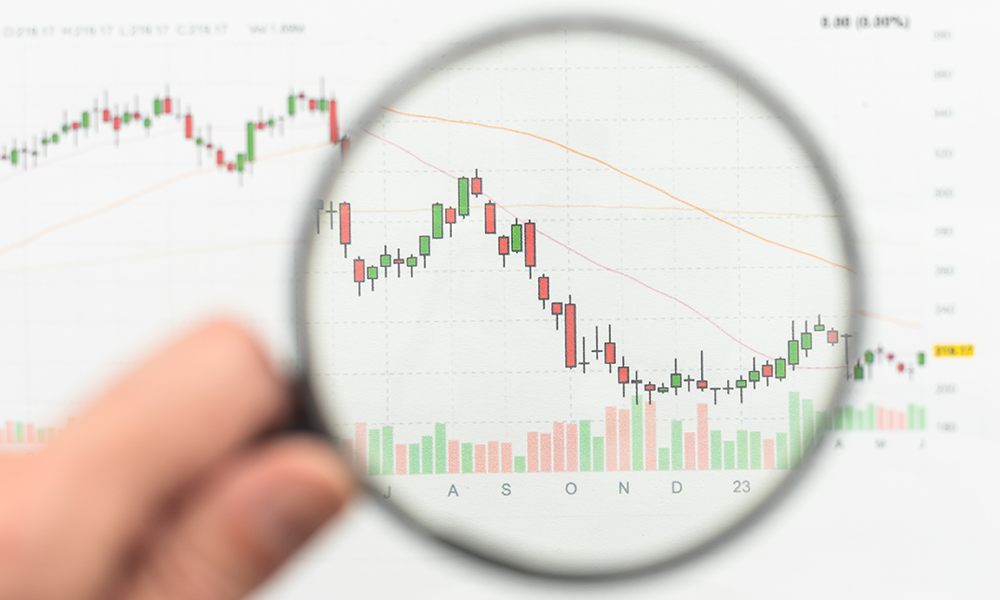
SEBI published a consultation paper on September 12, 2026, seeking views on aspects of the Closing Auction Session, market timings and settlement methodologies for derivative contracts. The paper follows SEBI’s September 3 announcement that it would review derivative settlement-price methodology after the rollout of the Closing Auction Session in the equity cash segment from August 3.
For a retail investor looking at a trading screen, the closing price may appear to be the final number of the day, a figure that arrives after the market has finished moving. Within the financial system, however, that number can have consequences extending into derivatives settlement, portfolio valuation, margin calculations, risk management and the reconciliation of positions. The closing process is therefore not simply an administrative full stop. It can influence financial obligations that remain active after the market itself has closed.
This is why market infrastructure often matters most when the customer cannot see it. An investor may never think about the methodology by which a settlement price is generated while everything is functioning normally. Confidence is built around an assumption that the price is determined through a credible, consistent and transparent mechanism. When that mechanism changes, the question for the customer is eventually translated into something much more concrete. What does this mean for my position, my margin, my portfolio value or my financial obligation?
SEBI's decision to review aspects of the Closing Auction Session and related settlement methodologies is therefore relevant beyond the technical architecture of the market. The regulator's consultation addresses market timings and the manner in which settlement prices are determined for derivative contracts, demonstrating how changes in market design can have consequences that travel into the positions held by intermediaries and their clients.
For brokers and financial intermediaries, this creates a translation responsibility. The underlying regulatory or market-structure change may be highly technical, but customers experience the result through account statements, margin requirements, valuations and transaction outcomes. The intermediary may not control the market mechanism itself, but it remains the institution that many clients turn to when they want to understand what happened.
“Market infrastructure is often most visible when something goes wrong, but its real significance lies in how it shapes behaviour when everything appears to be functioning normally,” FSCL said. “A settlement methodology has to provide more than an administratively convenient number; it has to preserve confidence that the number represents a credible outcome of the market.”
That confidence becomes particularly important in derivatives because relatively small movements in the underlying market can translate into significant changes in obligations. A settlement methodology therefore has to be understood not merely in terms of how a final number is produced but how participants interact with that number once it becomes the basis for financial settlement.
The introduction of the Closing Auction Session has also raised broader questions about market timing and price discovery. The closing process is designed to determine an orderly and representative closing price, but the mechanism through which that price is established can influence trading behaviour around the close. When a market mechanism changes, participants adapt their strategies, liquidity patterns can change and the information contained in the closing price can be interpreted differently.
This is precisely where market structure becomes client experience. An institutional trader may have sophisticated systems for analysing the implications of a change. A smaller participant may encounter the same change through a revised margin requirement or a difference between an expected and actual settlement value. The financial institution then becomes the point at which a market-design question meets an individual financial decision.
The issue also illustrates why regulatory changes in market infrastructure can have commercial consequences for financial intermediaries. Customers do not generally distinguish between the institution that executes a trade and the infrastructure that ultimately determines how that trade is settled. When something becomes difficult to understand, the institution holding the relationship absorbs the explanatory burden.
There is an additional dimension around predictability. Financial markets contain uncertainty by definition, but participants still expect the rules governing the calculation and settlement of positions to be stable, transparent and understandable. When those rules evolve, the transition has to be managed carefully because confidence depends partly on knowing how the system behaves before entering into a transaction.
For financial institutions, the challenge is therefore not simply to comply with a new market mechanism. It is to understand how the mechanism changes the experience of the client and to communicate that change clearly. Technical compliance may establish that a system operates according to the prescribed framework; client confidence depends on whether participants understand the financial consequences.
The closing auction may last only a short period, but the number generated through the process can travel much further. It can feed valuations, margin calculations, settlement obligations and subsequent decisions. The market close therefore does not necessarily mark the end of risk. In many financial relationships, it is the point at which another phase of risk begins